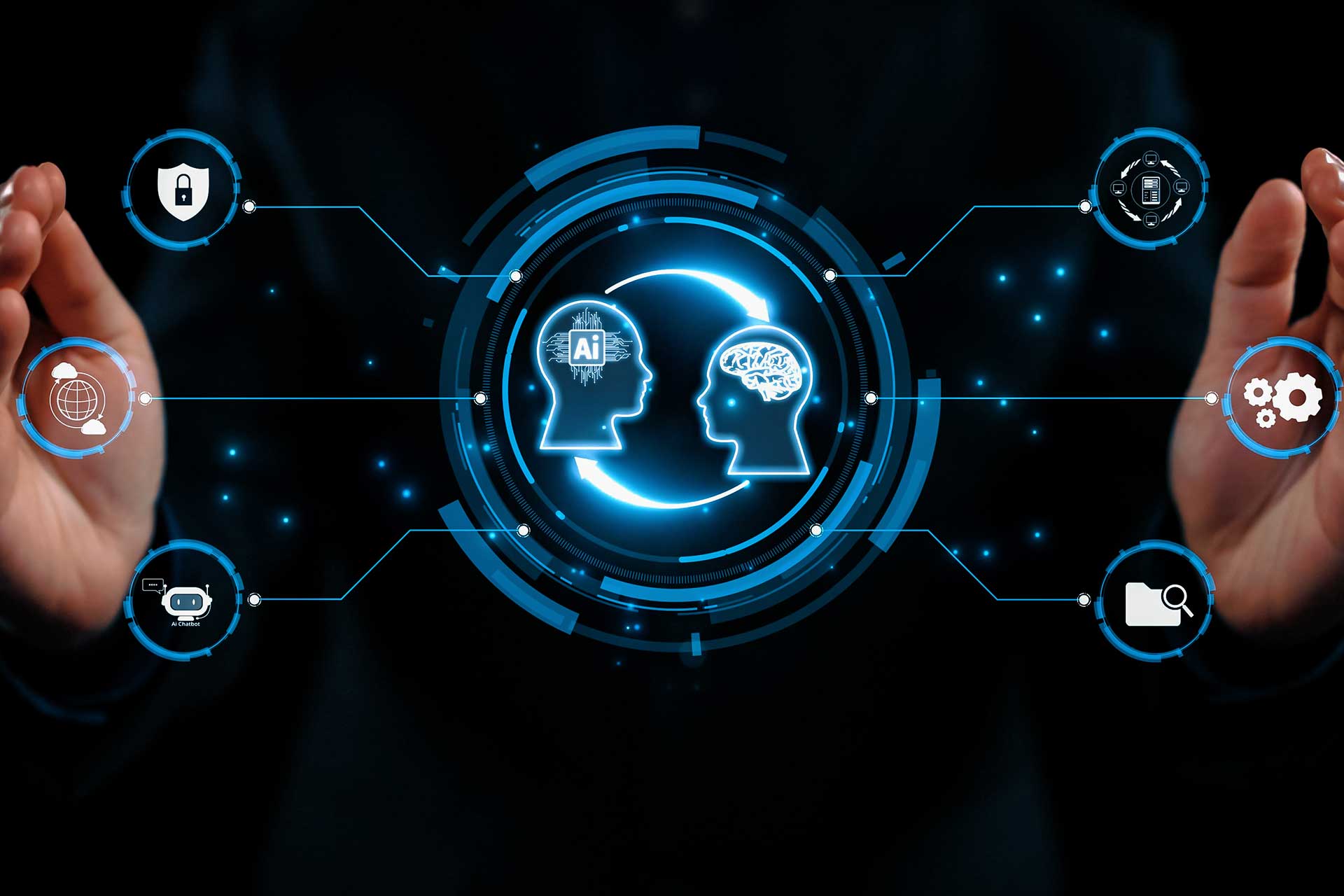
AI can analyze customer histories, formulate responses, and streamline routine tasks in customer service, sales, and marketing. However, as automation increases, so does the risk that customer interactions will become standardized and companies will become more interchangeable. Especially when trust is at stake, emotions are involved, or complex decisions must be made, a technically correct answer is often not enough. That’s when experience, empathy, communication skills, and accountability matter most. Human-AI teams are therefore the way forward: the technology processes data, recognizes patterns, and provides suggestions, while people assess situations, build relationships, and critically evaluate results. Leadership must specifically empower employees to do this.
What Really Matters in Customer Interaction in the Future
Artificial intelligence can answer customer inquiries, analyze purchase histories, recommend suitable products, and filter out the right information from thousands of data records in a matter of seconds. For companies, this sounds like a huge efficiency gain. But what happens to the customer experience as more and more touchpoints become automated? This question has been asked surprisingly rarely in the AI debate so far. Yet it is precisely in customer service, sales, and marketing that it will be determined whether artificial intelligence actually becomes a competitive advantage or merely makes companies more easily replaceable.
When the Chatbot Knows Everything but Understands Nothing
An AI system can recognize that a customer has already contacted the company three times about the same problem. It can analyze previous conversations and formulate an appropriate response. But does that mean it actually knows what this customer really needs right now? Perhaps it’s no longer about the technical solution at all. Perhaps, after three unsuccessful attempts to contact the company, trust has simply been lost. Perhaps what’s needed is someone who listens, takes responsibility, and signals: “This problem will now be resolved personally.” This is exactly where the new role of humans begins, because AI can process information, but humans must understand situations.
Experience Becomes More Valuable in Customer Interactions
Automation will be particularly successful where processes can be standardized. Simple inquiries, scheduling appointments, product recommendations, or the processing of customer data can increasingly be handled by AI. This changes the work of the people who remain in direct contact with customers. They will spend less time on routine tasks and more time on cases where a standard response is insufficient. This requires expertise, communication skills, empathy, and the ability to react spontaneously to a situation. It is precisely these skills that cannot be developed through training data alone. An experienced sales representative may recognize from just a few words that a customer is not yet convinced. An experienced service representative notices when a factual response would likely exacerbate the situation. A marketing expert can assess whether an AI-generated campaign actually fits the brand. AI provides suggestions. Humans decide what to do with them.
The Danger of Perfect Interchangeability
However, this creates a new risk: Companies might be tempted to reduce human contact even further because AI appears to be able to replace it. The result would be paradoxical. The more companies use the same AI systems, data models, and automated processes, the more similar their customer interactions may become. Efficiency increases, differentiation decreases. The decisive competitive advantage in the future could therefore lie precisely in areas where companies consciously remain human. Not every inquiry needs to be answered in person. But where trust, emotions, or complex decisions come into play, human contact can become the defining quality factor.
Human-AI Teams Instead of Human vs. Machine
The future of customer engagement will therefore not consist of pitting humans against AI. A more sensible approach is human-AI teams. AI takes on what it does best: processing large amounts of data, providing information, recognizing patterns, and streamlining routine tasks. Humans take on what machines cannot reliably do: contextualize, improvise, build relationships, and take responsibility. To do this, however, employees must learn to work professionally with AI. They need to know which tasks they can delegate, where the technology’s limitations lie, and how to critically evaluate results. This also changes the demands placed on managers. Those who view AI merely as a cost-saving tool are squandering a large part of its potential. The key is to empower employees to work more productively with the technology.
Perhaps humanity will become the new luxury
One interesting development is certainly conceivable: the more digital communication shapes our everyday lives, the more valuable genuine human interaction could become. Even after the pandemic, it became clear that digital options do not eliminate the desire for personal interaction. On the contrary: in-person events, face-to-face conversations, and shared experiences regained importance for many people. Something similar could unfold in customer interactions. If AI can provide a perfect, standardized response at any time, the ability to truly listen to a customer may become the decisive factor. The future of customer interaction is therefore no less human. It could even become more human. Because when machines take over the routine tasks, humans are left with exactly what often convinces customers the most in the end: the feeling of being understood.